
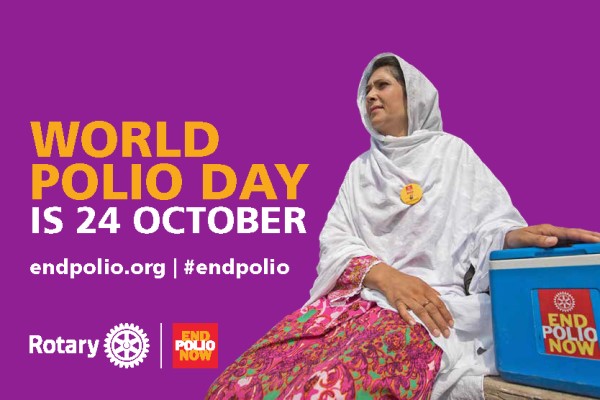
 Every year, the Rotary community mobilizes for World Polio Day to raise awareness about global efforts to end polio for good. If we stay committed, we can make polio the second human disease ever to be eradicated.
- Global Progress: Efforts by Rotary and its partners in the Global Polio Eradication Initiative have reduced wild polio cases by over 99.9% since 1979.
- Remaining Challenges: Wild polio remains endemic in only two countries (Pakistan and Afghanistan), though variant outbreaks remind the world that the virus remains a threat until completely eradicated.
- Community Action: Clubs worldwide use 24 October to host fundraisers, spread awareness, and connect local communities to the global goal of a polio-free world.
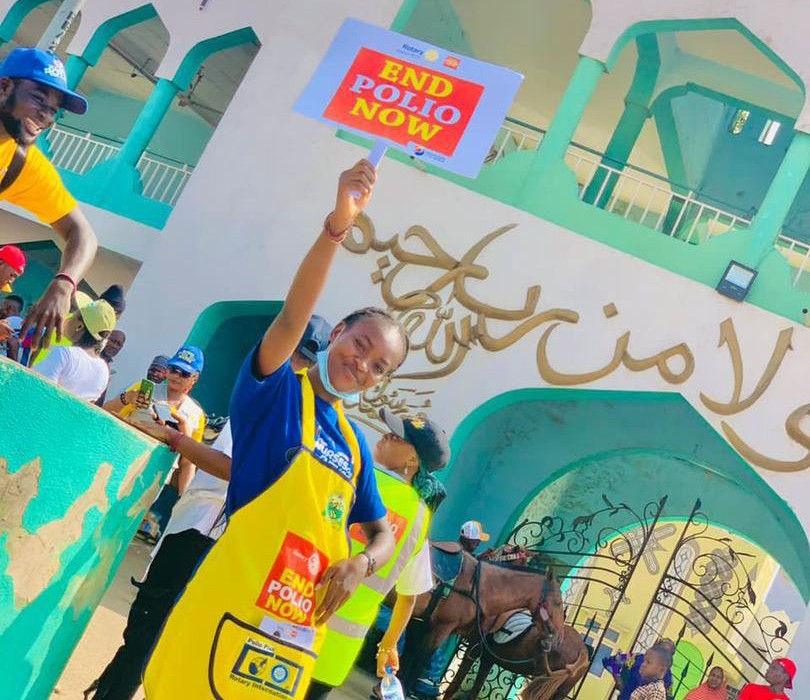
What is polio?
Polio, or poliomyelitis, is a paralyzing and potentially deadly infectious disease that most commonly affects children under the age of five. The virus spreads from person to person, typically through contaminated water. It can then attack the nervous system.
Our goal
Rotary has been working to eradicate polio for more than 45 years. Our goal of ridding the world of this disease is closer than ever.
Rotary's first polio project was to vaccinate children in the Philippines in 1979. Inspired by that successful vaccination campaign, Rotary went on to become a founding partner of the Global Polio Eradication Initiative in 1988, which has reduced polio cases around the world by 99.9 percent.
Thanks to the generosity and commitment of our members, Rotary has contributed more than US$2.9 billion in PolioPlus grants and countless volunteer hours to protect more than 3 billion children in 122 countries from this disease. Rotary’s advocacy efforts have played a role in decisions by governments to contribute more than $11 billion to the effort.
Today, polio remains endemic only in Afghanistan and Pakistan. But it’s crucial to continue working to keep other countries polio-free. If all eradication efforts stopped today, within 10 years, polio could paralyze as many as 200,000 children each year.