




 Taken from RDU HERE
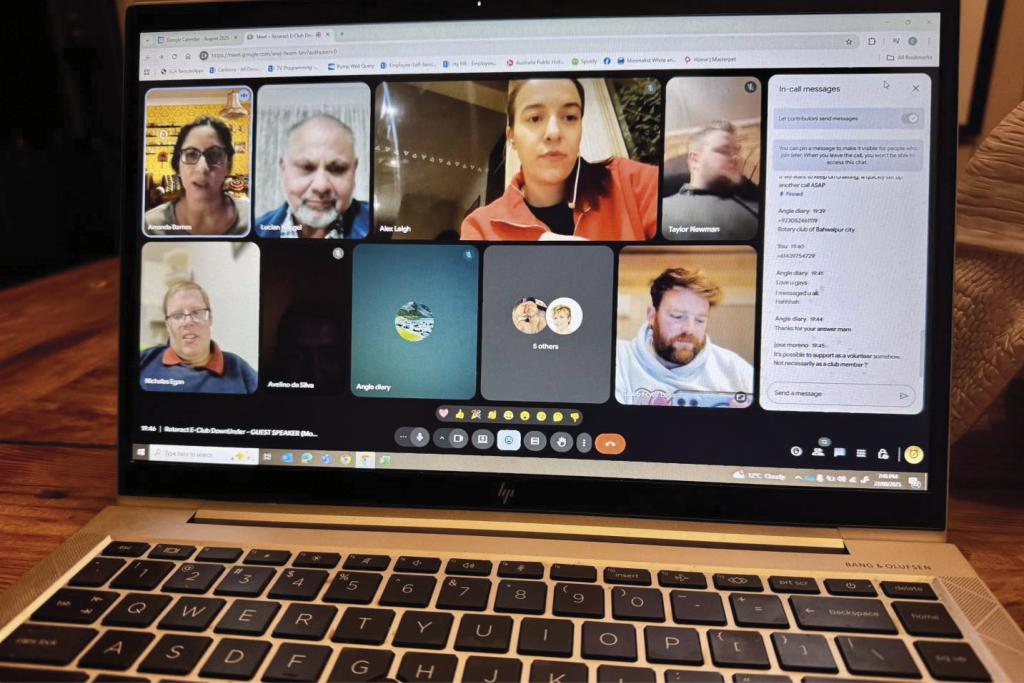
By inviting multicultural communities to experience Rotary’s purpose, impact and sense of belonging, clubs can build trust, develop diverse leaders and unlock sustainable membership growth.
Words Renga Rajan. Immediate Past District Governor. District 9675.
As Australia and New Zealand become increasingly multicultural, Rotary has a unique opportunity to strengthen its membership and community impact by engaging migrant communities more effectively.
Indian, Nepalese, Filipino, Vietnamese and other multicultural communities share many of Rotary’s values, including service, leadership, education and community support. The key is not simply inviting people to join Rotary but creating meaningful opportunities for them to experience Rotary’s purpose and impact.
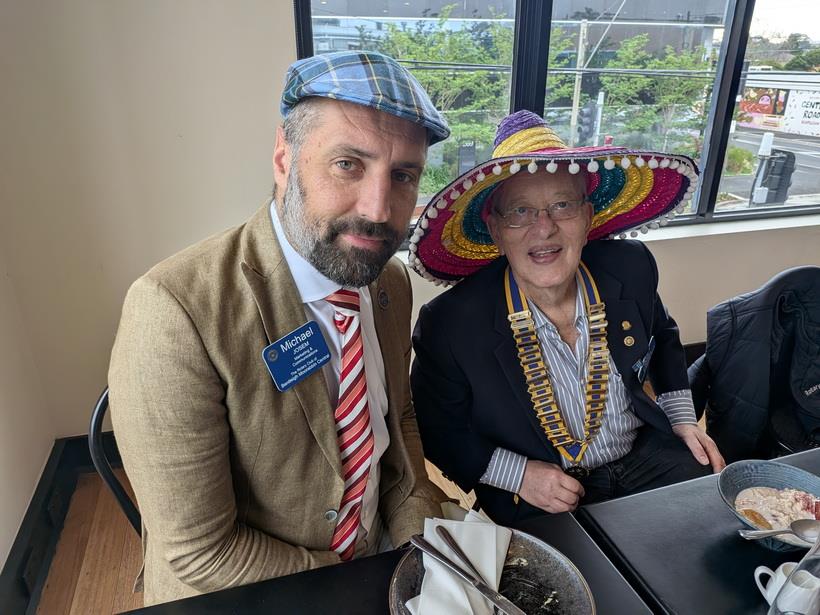 Kellie Carruthers chaired today's club meeting at Gilberts. Kellie welcomed our two guest speakers, Cassidy Connor and Katrina from Headspace, and club member partner, Gary Ramage. Today's club meeting was marked as a special day to recognise the Australia Rotary Health program "Lift the Lid" on mental health - with October designated as Mental Health Month. All members were asked to wear a hat - and we saw some absolute beauties in all styles and colours and it was the men with the most colourful!. See who won prizes at the end of this report.
 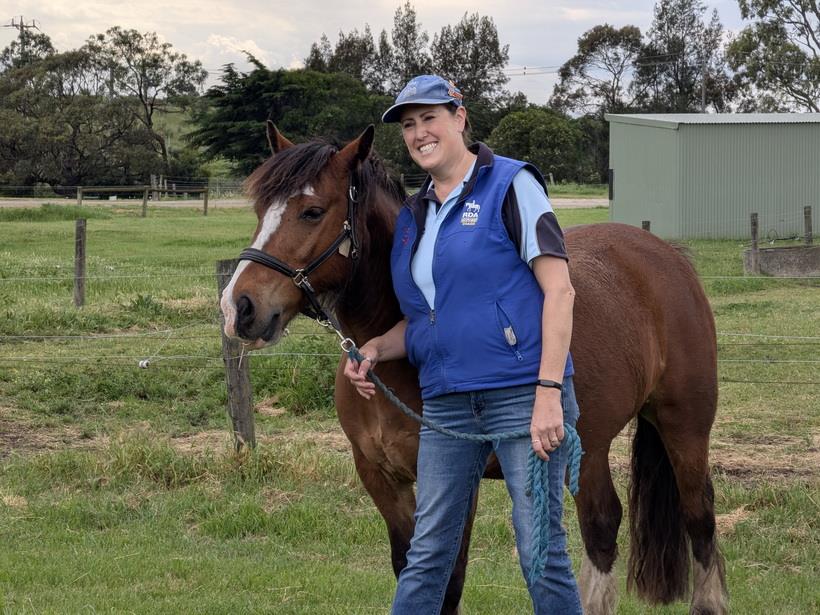 A number of members visited the Riding for the Disabled facility in Moorabbin on October 24th, 2026.
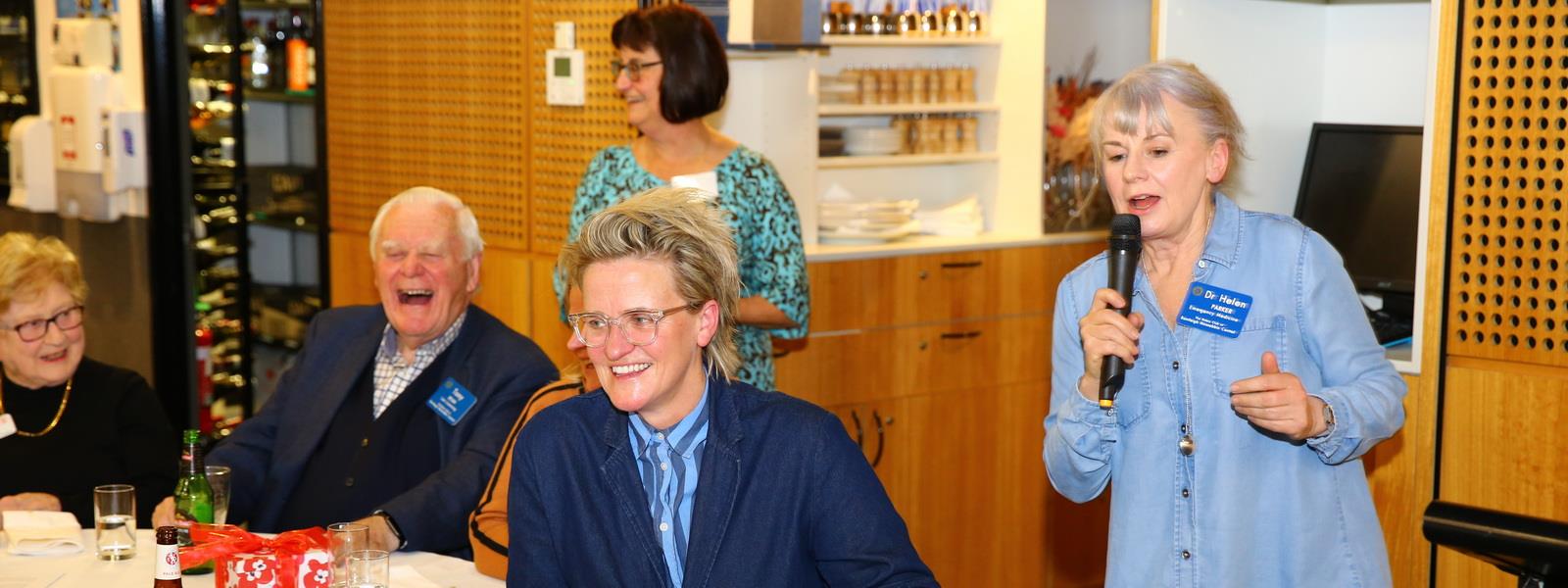
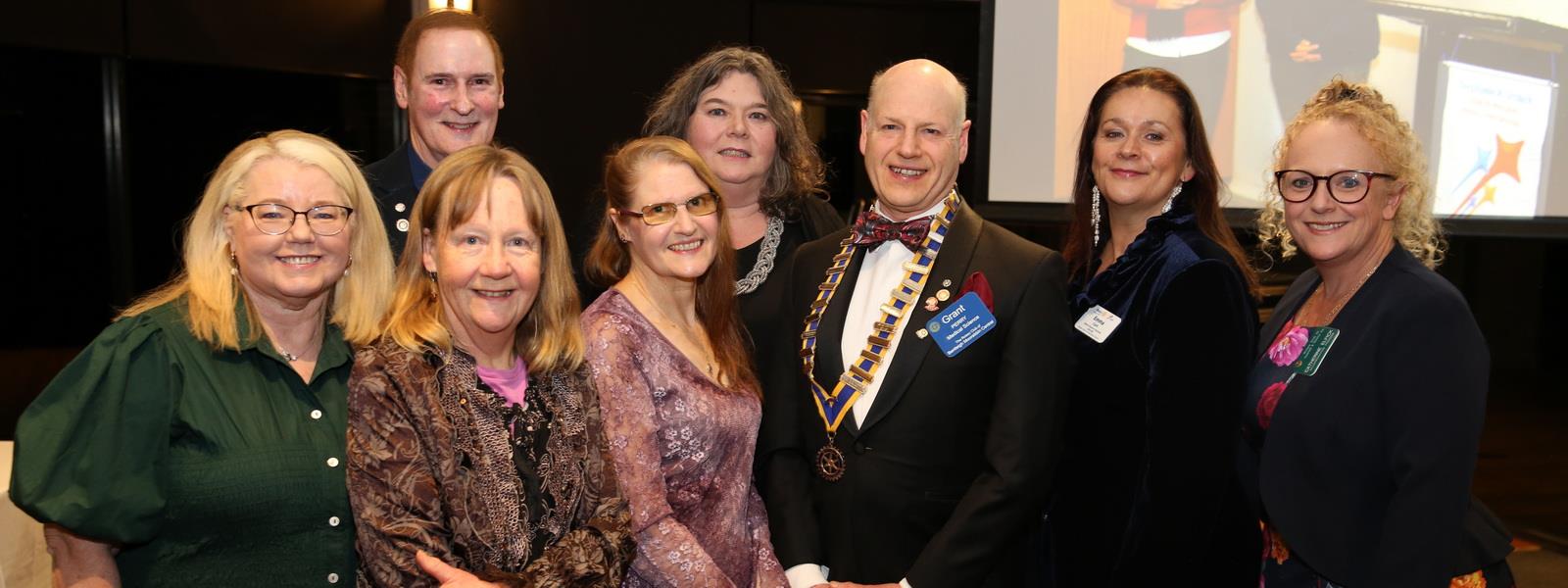
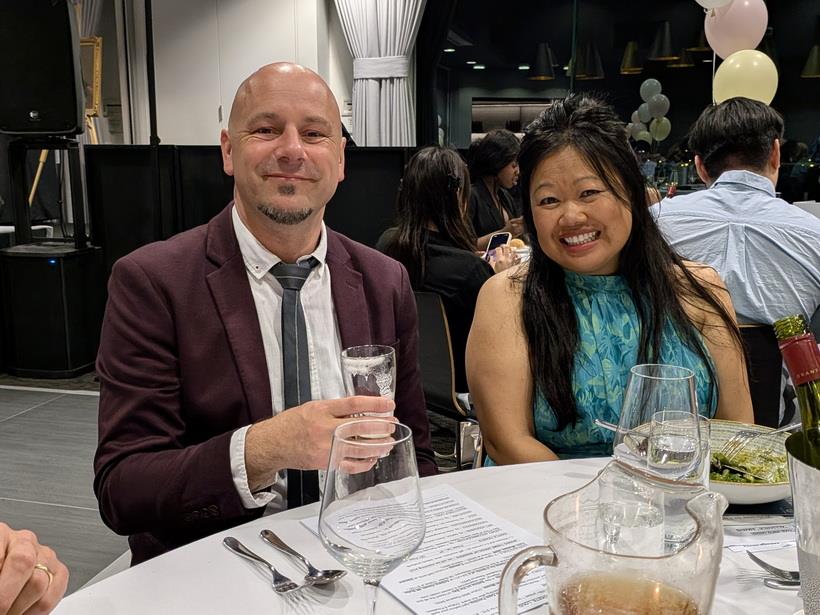 A number of Club members, along with partners and friends attended the annual Holland Foundation Ball at the Sandringham Yacht Club last Friday evening.
 Taken from RDU
  Taken from RDU
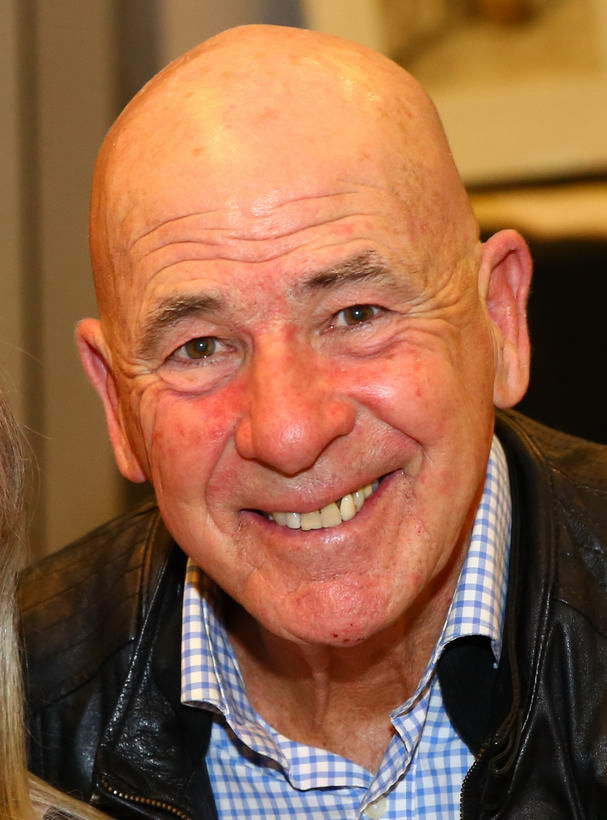 Past District 9810 Governor Ian Ballantine